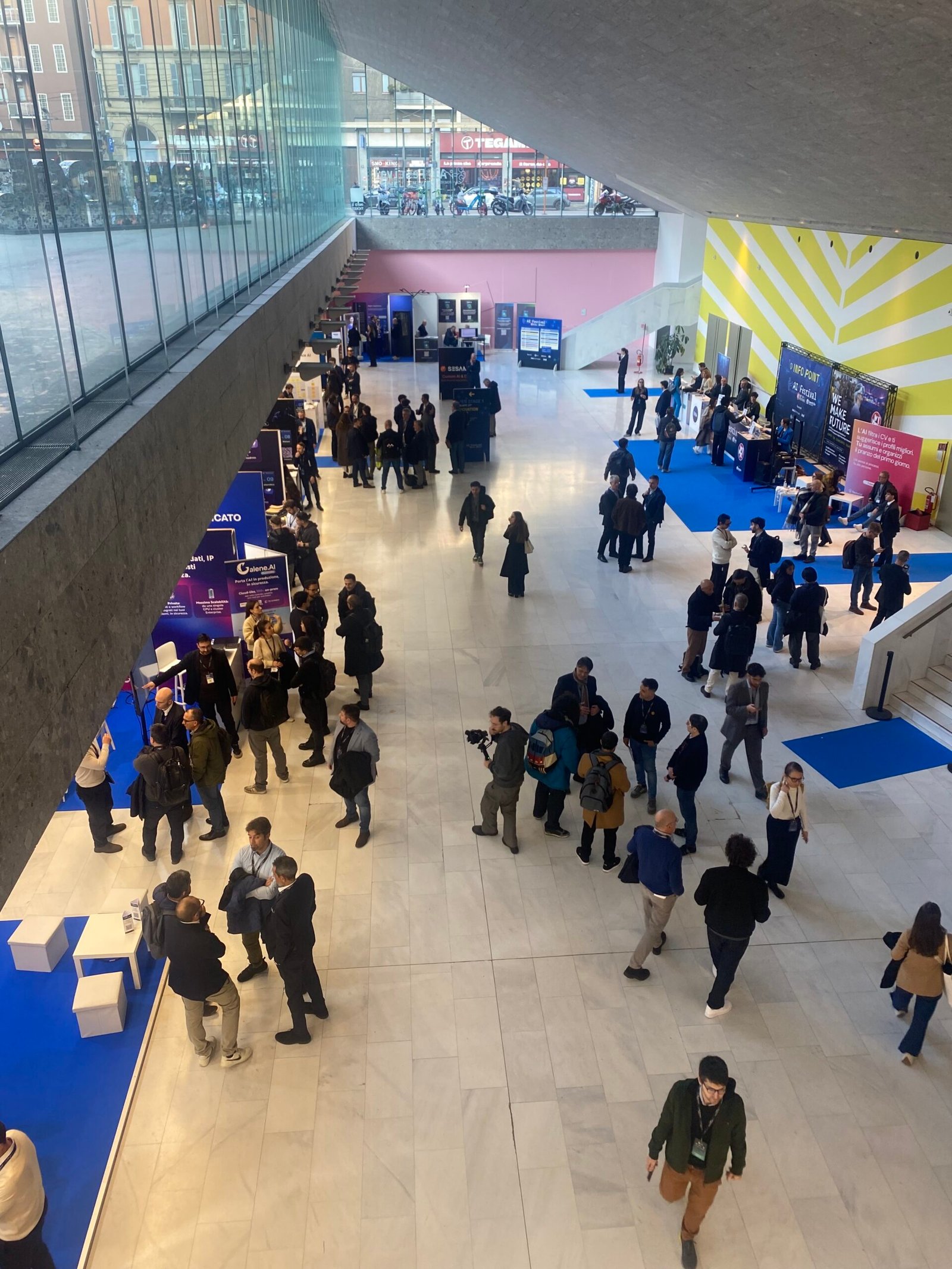
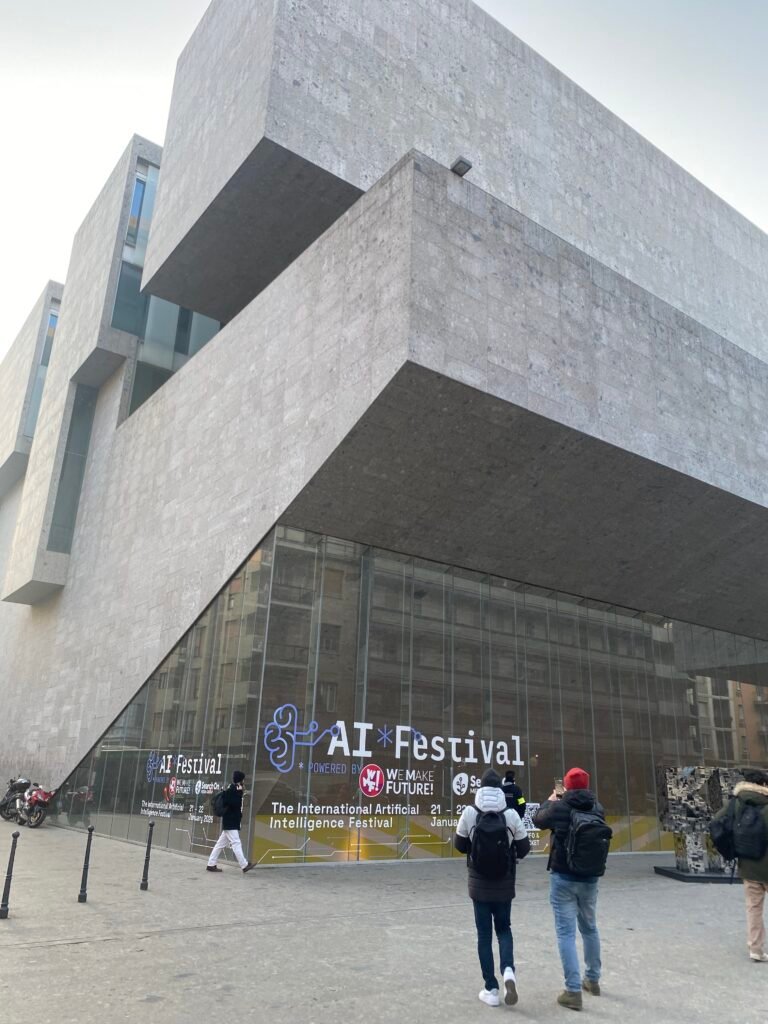
On January 21st and 22nd, Milan hosted its annual AI Festival, a recurring gathering for founders, researchers, companies, and institutions engaged in understanding the direction of artificial intelligence and the role Italy and Europe may play in shaping its future.
The event took place at Bocconi University, and it was once again a pleasure to return to a place where I studied. Over two days of talks, panels, and informal conversations, the festival offered a clear snapshot of a field in active transition.
AI emerged as a concrete opportunity that inspires both enthusiasm and concern. Many participants framed it as a strategic space that requires deliberate engagement from Europe, rather than passive adoption. What follows are three impressions drawn from the event. Together, they reflect the current state of the Italian AI ecosystem and point toward broader questions around innovation, leadership and independence.
1. Creativity everywhere, disruption still rare
The level of creativity among Italian AI entrepreneurs stood out immediately. Many ideas showed careful design, strong technical foundations and a high degree of attention to detail. Talent, vision, and commitment were evident throughout the presentations and discussions.
A large share of projects focused on improving existing processes and systems. Optimization and efficiency were recurring themes, often applied to well-established industries. Automation also featured prominently, particularly through the use of AI agents designed to streamline operational workflows and decision-making. The overall impression was of an ecosystem rich in creative energy, still in the process of identifying its defining breakthroughs in artificial intelligence.
The founders behind these projects tended to follow two main paths. Some were young entrepreneurs at the beginning of their careers, often fresh out of university and building directly in AI. Others came from more established professional backgrounds, especially in data-related fields and were extending existing corporate services by integrating artificial intelligence into their offerings.
Beyond startups and founders, the diversity of speakers was particularly notable. The event also featured representatives from major technology companies such as Microsoft, Dell, Intel, Lenovo etc., consulting firms, academics from institutions like Bocconi University and Politecnico di Milano, as well as voices from public institutions and even philosophy. This mix reinforced the idea that AI is a multidisciplinary space shaping business, society and culture.
2. Between fear and hope: a collective curiosity
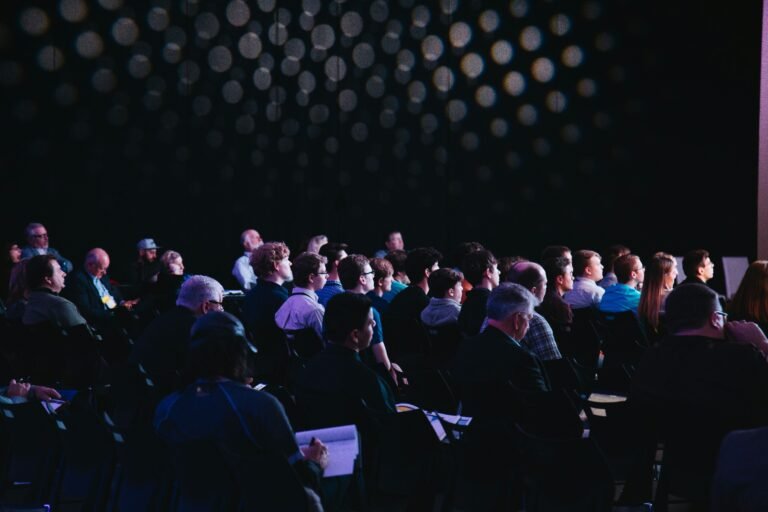
The festival highlighted how broadly AI has entered public and professional conversation. Sessions were well attended, exchanges were lively, and questions continued beyond formal settings. AI now feels personally relevant to people across roles and sectors.
This curiosity is accompanied by a range of emotions. Concerns around pace, control, and long term impact surfaced frequently, together with interest in new tools, opportunities, and creative possibilities. Discussions around employment were especially present, touching on both job creation and job displacement. The atmosphere in Milan reflected a careful, attentive engagement with change and its potential consequences.
I’ve explored the impact of AI on the world of work in more detail in a related article, available here: https://cybblog.com/will-ai-destroy-or-create-jobs/
3. AI as a strategic opportunity Europe cannot miss
Throughout the event, AI was frequently discussed as a strategic matter for Europe. Many participants framed it in terms of positioning, long term capacity and shared responsibility, especially within a global context marked by uncertainty.
Attention repeatedly turned to cooperation at a European level, including shared infrastructure, coordinated investment and stronger connections between member states. The current perception of the United States as an unreliable partner in this historical moment further reinforced the need for European autonomy in decision making and technological development. Alongside this, several discussions stressed that innovation depends on methodology, organization and sustained execution, rather than on waiting for exceptional individuals or isolated breakthroughs.
A moment of choice
Ultimately, Milan’s AI Festival offered a picture of a vibrant ecosystem, driven by curiosity and still in the process of defining itself. Creative energy is abundant, as is awareness of the challenges that artificial intelligence brings with it. What emerges most clearly is that the real question is how to guide AI: deciding where to invest, how to collaborate and what role to play on the global stage. For Italy and for Europe, AI represents an exercise in collective vision, continuity and responsibility. The signals observed in Milan suggest that the conversation has reached maturity; what remains to be seen is whether it can translate into coordinated and sustained action.